
Decoding Scaffolding
How do architecture terms help us see the support needed in our schools?

My architect friend, Heather, read the last blog and raised the scaffolding questions. Along with that word, there is bracing and shoring. She raised an important point and had me think further about scaffolding.
If you are new to the architect terms, here are their definitions from Merriam-Websiter.com:
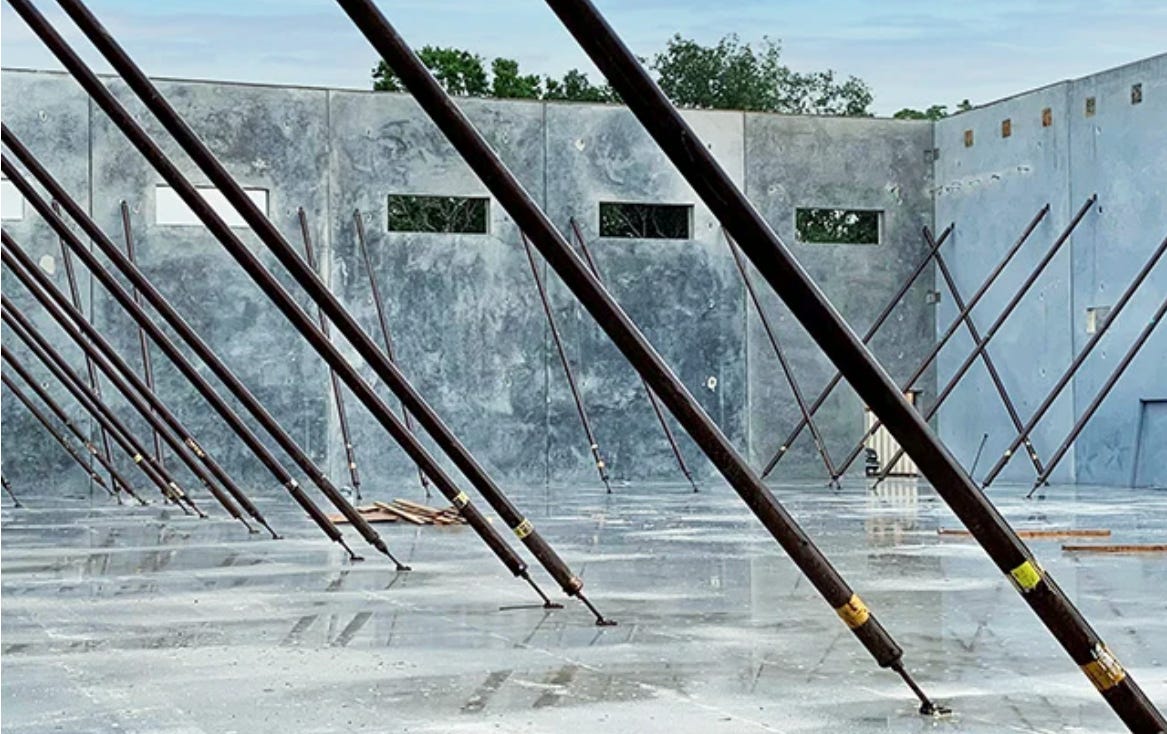
Bracing: A diagonal piece of structural material that serves to strengthen something (such as a framework)

Shoring: A prop for preventing sinking or sagging

Scaffolding: A support system or structure likened to a system of scaffolds, especially, education : a system or framework of support provided by an instructor to help a student reach the next level of learning
I love Heather’s point because understanding the differences among these terms is the reason for using scaffolding to discuss the kind of help that learning requires and thrives on and how this system works if we care about helping children effectively.
In a school environment where studying and learning are equally valued and offered, scaffolding makes much sense compared to bracing and shoring. It's not about a fixed format of assistance or a generalized support but one that provides a foothold whenever students encounter challenges in their school lives.
The scaffolding looks different from shoring and bracing because it's built based on understanding each student's personal journey, which is guided by their dreams (the North Star) and grounded by who they truly are.
The closest comparison to scaffolding is the professional coaching service. The most effective coaching services offer the initial assessment to understand the clients' personalities (strengths and challenges), what they care about (beliefs and values), and where they want to go on this life journey (purpose and dreams). Without understanding an individual at a deep level, it's challenging to offer coaching that makes a difference.
Scaffolding differs from support such as bracing (tutoring for math and reading) or level support such as shoring (using standardized tests to identify the overall student’s level in class or the grade) because it considers the student’s uniqueness and the individual as a whole. It provides more fluid leverage, addressing various challenges and providing a personalized foothold to overcome specific barriers.
As we understand, the difference between how studying and learning are organized isn't just the differences on the surface but reflects the school structure and culture. The same goes for scaffolding, bracing, and shoring.
When scaffolding isn’t a rare support for a few but a system available for every student, it is one indicator that we have raised the average.
Aww, thanks for thinking further in this! I love the imagery you used and yes, think about the scaffolding. It really works with my ND kid as well!
Great analogy, and so useful for describing what is needed in schools, and in fact any solid, worthwhile institution or edifice!